Finding the Highest Quality Concrete Contractor in Charleston West Virginia
Expert Professional Concrete Services for Durable and Reliable Solutions
The value of expert professional concrete services is paramount. Such services deliver personalized solutions that boost the longevity and dependability of concrete installations. Experienced contractors utilize their expertise and understanding to manage the challenges of each project. They also guarantee compliance with local building codes, safeguarding against legal issues. As homeowners consider various concrete projects, understanding the benefits and processes involved becomes vital. What should they prioritize when picking a service provider?
Why Should You Invest in Professional Concrete Work?
Even though some may consider DIY concrete projects to cut money, investing in expert concrete services typically proves to be a better value in the long run. Professional concrete contractors provide a wealth of knowledge and specialized expertise that can considerably improve the quality of the finished product. They are equipped with advanced tools and materials, guaranteeing that the concrete is mixed and applied accurately, which minimizes the risk of future problems such as cracking or uneven surfaces. Moreover, experts are well-versed in local building codes and regulations, averting potential legal complications that can arise from improper installations. Timeliness is another asset; professionals complete projects swiftly, decreasing disruptions to daily life. Finally, hiring skilled concrete services can result in a more durable and beautiful outcome, protecting from costly repairs and revisions that typically accompany DIY attempts. Therefore, the initial investment in professional services can generate lasting advantages.
Key Benefits of Professional Concrete Services
Working with professional concrete services offers several advantages that reach beyond just aesthetics. Most importantly, experts bring expert knowledge and skills, delivering high-quality workmanship that enhances lasting quality. This expertise decreases the risk of common issues, such as cracking or uneven surfaces, which can occur from incorrect installation.
Additionally, professional services give access to advanced tools and materials, which can significantly enhance the overall project outcome. These resources facilitate more efficient processes, cutting down on time and lowering labor costs.
In addition, specialists adhere to safety guidelines and regulations, which lessens risks associated with concrete work. This compliance not only secures the workers but also ensures that the completed product satisfies local building codes.
Finally, employing specialists permits homeowners to benefit from valuable insights on style selections and care, ultimately producing a more fulfilling and durable investment in their property.
Common Concrete Installations for Homeowners
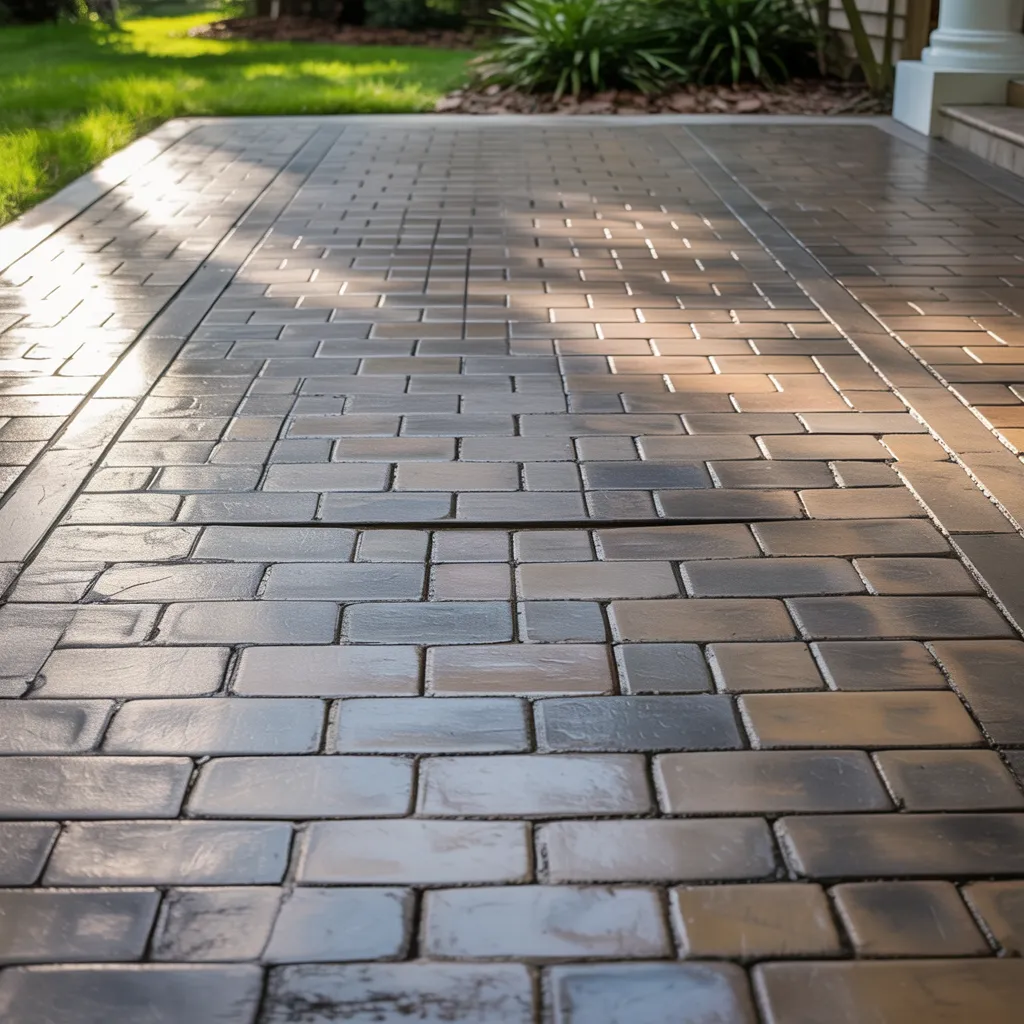
When planning home improvement projects, many homeowners realize that concrete to be a durable and versatile option that can improve both functionality and aesthetic appeal. Popular concrete projects include driveways, patios, and walkways, which deliver practical benefits while boosting curb appeal. Concrete driveways are chosen for their longevity and low maintenance requirements, making them perfect for busy households. Patios built with stamped or colored concrete provide a fashionable outdoor space for entertaining, while also being impervious to wear and tear.
In addition, homeowners commonly select concrete slabs for outdoor structures like sheds and garages, ensuring stable and level foundations. Attractive concrete components, like retaining walls and garden edging, can also add visual appeal to landscapes. By implementing these concrete installations, homeowners can experience not only improved usability but also increased property value, highlighting the material's suitability for multiple needs and design tastes.
Advice for Picking the Right Concrete Service Provider
How do homeowners ensure they identify the most capable concrete service provider for their projects? First, they should pursue recommendations from relatives, acquaintances, or web-based testimonials. A excellent reputation often reflects a provider's consistency and quality of work. After that, homeowners should check the provider's credentials, including licensure and insurance, which shield against potential liabilities.
In addition, acquiring multiple quotes can help homeowners evaluate pricing and services effectively. It is important to question the company's experience and expertise in specific concrete projects to ensure alignment with the homeowner's needs.
Evaluating the portfolio of assessment previous work can additionally provide insight into the service provider's capabilities. Additionally, clear communication is vital; a professional contractor should be prepared to discuss project details, timelines, and any concerns. By utilizing these tips, homeowners can make educated decisions and select a concrete service company that exceeds their expectations.
What Should You Expect During the Concrete Installation Procedure?
Throughout the concrete installation process, appropriate site preparation is crucial for obtaining a sound and durable foundation. This encompasses clearing the area, leveling the ground, and ensuring adequate drainage. Furthermore, understanding the relevance of the curing phase can substantially affect the longevity and strength of the final concrete.
Essential Site Preparation Steps
Thorough site preparation is critical for a successful concrete installation process. To begin, the area must be cleared of debris, vegetation, and any existing structures. This step guarantees a clean, stable foundation. Following this, the soil is evaluated for compaction and drainage capabilities; if necessary, it may be compacted or treated to improve stability. Next, proper grading is performed to establish a level surface and facilitate water runoff. Installing forms is also essential, as they define the shape and dimensions of the concrete pour. Subsequently, reinforcing materials, such as rebar or wire mesh, are positioned to strengthen the concrete's strength. Proper execution of these steps lays the groundwork for a durable and reliable concrete structure.
Curing Process Importance
While frequently disregarded, the curing process serves a crucial function in the success of a concrete installation. This phase starts right after the concrete is poured and requires preserving adequate moisture, temperature, and time to permit the concrete to attain its intended strength and durability. Proper curing prevents issues such as cracking, surface scaling, and weaknesses in the material. Techniques may include applying to the surface wet burlap, utilizing curing compounds, or applying plastic sheeting to keep moisture in. Typically, the curing period extends from a few days to several weeks, contingent upon environmental conditions and the specific concrete mix used. Understanding the significance of this process confirms that the final structure remains reliable and long-lasting, meeting the expectations of clients.
Maintenance Strategies for Long-Lasting Concrete Solutions
Keeping up with concrete solutions is crucial for securing their longevity and longevity. Regular cleaning methods, coupled with prompt sealant applications, play a critical role in preserving the integrity of concrete surfaces. Adopting these maintenance practices can significantly extend the lifespan of concrete solutions.
Routine Cleaning Methods
Regular maintenance routines are necessary for sustaining the durability and visual appeal of concrete surfaces. Standard maintenance, for instance eliminating debris and dirt, assists in avoiding staining and deterioration. Power cleaning efficiently eliminates difficult discolorations, algae, or moss that may build up over time. It is advisable to use a soft cleanser during this process to stop chemical damage. Additionally, promptly handling spills, particularly from oil or chemicals, can prevent permanent discoloration. In cold weather regions, removing snow and ice is vital to avoid cracking due to freezing and thawing. Consistent evaluations for cracks or surface wear can also help with identifying issues early, making certain that concrete surfaces remain resilient and good-looking for years to come.
Sealant Application Frequency
Generally, adding a sealant to concrete surfaces every 1-3 years is vital for maintaining their structural integrity and visual appeal. This frequency depends on factors like weather conditions, foot traffic, and the type of sealant used. Consistent inspections can help determine when reapplication is essential; indicators like discoloration, wear, or water penetration demonstrate that the sealant has degraded. Homeowners should select superior sealants made for their specific concrete applications, ensuring better durability. Moreover, proper surface preparation before application boosts adhesion and effectiveness. By sticking to this maintenance schedule, property owners can protect their concrete investments, lengthening the lifespan of surfaces and limiting costly repairs in the future.
Future Trends and Innovations in Advanced Concrete Methods
In what ways is the concrete sector adapting to address the needs of an increasingly dynamic world? Breakthroughs in concrete technology are forming a more environmentally responsible and durable future. Researchers are developing eco-friendly alternatives, such as recycled aggregates and bio-based additives, which decrease the carbon footprint of concrete production. Additionally, developments in smart concrete—integrating sensors that monitor structural health—enable proactive maintenance, improving safety and resilience.
Another emerging trend is the utilization of 3D printing innovation, allowing for quick construction of sophisticated structures with reduced waste. Moreover, self-healing concrete, which uses bacteria or alternative materials to repair cracks autonomously, is attracting momentum, offering extended-life infrastructure.
As urbanization grows and climate change impacts construction practices, such innovations demonstrate the industry's commitment to sustainability and efficiency. The future of concrete technology possesses tremendous capacity for transforming how society builds, providing structures that are both durable and environmentally responsible.
FAQ
What's the Standard Timeframe for Concrete to Cure Completely?
Concrete normally takes roughly 28 days to fully cure, though preliminary setting begins within several hours. Conditions such as temperature, humidity, and mix design can influence the curing process and overall strength development.
What Are the Available Concrete Finish Types?
Several concrete finishes feature polished, stamped, exposed aggregate, brushed, and troweled. Each finish offers distinct aesthetics and textures, accommodating various design preferences and functional requirements in home and business applications.
Can Concrete Be Poured in Cold Weather?
Yes, concrete can be placed in cold weather, but particular precautions are required. Appropriate techniques and materials, such as heated water and insulating blankets, help guarantee the concrete cures effectively despite lower temperatures.
What Action Should I Take When My Concrete Cracks?
When concrete develops cracks, evaluate the extent of the damage. Small fissures can be filled with a concrete patching compound, while larger cracks will require professional evaluation and repair to ensure structural integrity and prevent further issues.
When Should I Consider Resurfacing My Concrete?
To identify if concrete requires resurfacing, you should look for obvious cracks, uneven surfaces, or discoloration. In addition, standing water or a rough texture may indicate that resurfacing is required for improved aesthetics and functionality.